

How to transport a pvc window welding machine safely?
Hey there! As a supplier of PVC window welding machines, I've seen firsthand how important it is to transport these machines safely. These machines are not only expensive but also quite delicate, so getting the transportation right is super crucial. In this blog, I'm gonna share some tips on how to transport a PVC window welding machine safely.
Pre - Transport Preparation
Before you even think about moving the machine, there are a few things you need to do. First off, give the machine a thorough inspection. Check for any loose parts, and if you find any, make sure to tighten them up. This will prevent any parts from falling off during transit and potentially causing damage.
Next, clean the machine. Remove any debris, dust, or welding residues. A clean machine is less likely to have parts jammed or corroded during transportation. You can use a soft brush and a mild cleaning agent to do this.
Now, it's time to disconnect all the power sources. Unplug the machine from the electrical outlet and remove any batteries if it has them. This is a safety measure to prevent any electrical short - circuits or shocks during the move.
Disassembly (if necessary)
Some PVC window welding machines are designed to be disassembled for easier transportation. If your machine falls into this category, here's how to do it right. Start by referring to the user manual. It'll have detailed instructions on how to take the machine apart.
Typically, you'll need to remove the welding heads, control panels, and any other detachable components. Make sure to label each part clearly. You can use sticky notes or masking tape to write down what each part is and where it goes. This will make reassembly a breeze later on.
Keep all the small parts like screws, nuts, and bolts in a labeled container. Losing these tiny pieces can be a real headache when it comes time to put the machine back together.
Packaging
Once you've prepared and disassembled (if needed) the machine, it's time to pack it up. The right packaging can make all the difference in protecting your machine during transit.
For the main body of the machine, use a sturdy wooden crate. Wood provides good protection against impacts. Line the inside of the crate with foam padding. You can cut the foam to fit the shape of the machine so that it hugs the machine tightly and absorbs any shocks.
If you've disassembled parts, place each part in its own individual plastic bag. Then, wrap these bags in bubble wrap for extra protection. Put the wrapped parts in a separate smaller box, and fill any empty spaces with packing peanuts or shredded paper to prevent the parts from shifting around.
For the electrical cables, coil them up neatly and tie them with cable ties. Place them in a plastic bag and secure them inside the crate or box.
Choosing the Right Transportation Method
There are a few options when it comes to transporting your PVC window welding machine. You can choose between road, rail, or air transportation.

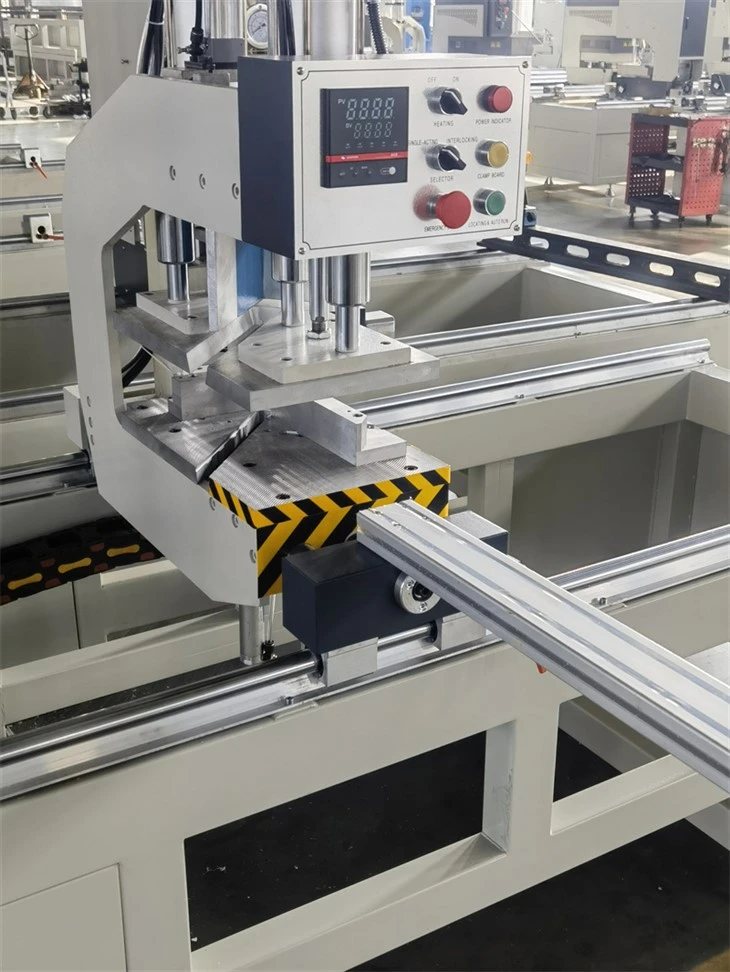
If the destination is relatively close, road transportation might be the best option. You can use a truck with a flatbed or an enclosed trailer. Make sure the truck is clean and dry to prevent any rusting of the machine. If you're using an open - bed truck, cover the machine with a waterproof tarp to protect it from the elements.
Rail transportation is a good choice for longer distances within the country. Trains are generally more stable than trucks, which reduces the risk of damage from vibrations. However, you'll need to coordinate with the railway company to ensure proper loading and unloading.
Air transportation is the fastest but also the most expensive option. It's suitable for international shipments or when you need the machine to arrive quickly. Airlines have strict regulations regarding the packaging and handling of heavy equipment, so make sure your packaging meets their requirements.
Loading and Unloading
Loading and unloading the machine are critical steps in the transportation process. Use proper lifting equipment such as forklifts or cranes. Make sure the operators are experienced and trained to handle heavy machinery.
When loading the machine onto the transportation vehicle, place it in a stable position. If it's in a crate, secure the crate to the vehicle using straps or chains. This will prevent the crate from sliding or tipping over during transit.
During unloading, be just as careful. Lower the machine slowly and steadily to the ground. Once it's on the ground, check the crate and the machine for any visible signs of damage.
Insurance
No matter how careful you are, there's always a small risk of damage during transportation. That's why it's a good idea to get insurance for your PVC window welding machine. Contact an insurance company that specializes in transporting heavy equipment. They can provide you with a policy that covers the value of the machine in case of damage, theft, or loss during transit.
After - Transport Checks
Once the machine has arrived at its destination, it's time to do some checks. First, unpack the machine carefully. Inspect all the parts for any signs of damage. If you find any, take photos and document the damage immediately. This will be important if you need to file an insurance claim.
Reassemble the machine following the user manual. Make sure all the parts are properly connected and tightened. Then, do a test run of the machine. Check if it's working correctly, and if there are any issues, troubleshoot them right away.
Different Types of PVC Window Welding Machines
We offer a variety of PVC window welding machines, including the UPVC Corner Welding Machine, UPVC Seamless Welding Machine, and CNC Four Corner Welding Machine. Each of these machines has its own unique features and transportation requirements, but the general principles I've outlined above apply to all of them.
If you're in the market for a PVC window welding machine or have any questions about transporting these machines, don't hesitate to reach out. We're here to help you every step of the way, from choosing the right machine to getting it safely to your location. Contact us for more information and to start the purchasing process.
References
- Manufacturer's user manuals for PVC window welding machines
- Industry best practices for transporting heavy equipment
- Insurance company guidelines for insuring heavy machinery