

How to operate a pvc window welding machine?
Hey there! I'm a supplier of PVC window welding machines, and today I'm gonna walk you through how to operate one of these nifty machines. Whether you're a newbie in the window-making business or just looking to brush up on your skills, this guide is for you.
Pre - operation Checks
Before you even think about firing up the PVC window welding machine, you've gotta do some pre - operation checks. First off, make sure the machine is properly installed and grounded. A loose connection or a lack of grounding can not only damage the machine but also pose a serious safety risk.
Next, check the power supply. The voltage should match the machine's requirements. You don't want to fry your machine by plugging it into the wrong power source. Also, inspect the cables for any signs of damage, like fraying or exposed wires. If you find any issues, replace the cables right away.
Now, take a look at the heating elements. These are crucial for the welding process. They should be clean and in good condition. Any dirt or debris on the heating elements can affect the quality of the weld. You can use a soft cloth to wipe them down gently.
Another important thing to check is the pneumatic system. The air pressure needs to be set correctly. Usually, the recommended pressure is specified in the machine's manual. If the pressure is too low, the weld won't be strong enough. If it's too high, it can damage the PVC profiles.
Loading the PVC Profiles
Once you've completed the pre - operation checks, it's time to load the PVC profiles. Start by selecting the right profiles for your window. Make sure they are clean and free from any scratches or defects.
Place the profiles on the clamping fixtures of the welding machine. The fixtures are designed to hold the profiles in place during the welding process. Adjust the fixtures so that the profiles are aligned properly. You want the edges of the profiles to meet precisely, as this will ensure a strong and seamless weld.
Some machines have adjustable fixtures, which can be really handy when working with different sizes and shapes of profiles. Take your time to get the alignment right; it's worth the extra effort.
Setting the Welding Parameters
Now, let's talk about setting the welding parameters. The two main parameters you need to set are the heating time and the welding pressure.
The heating time depends on the thickness and type of the PVC profiles. Thicker profiles generally require longer heating times. You can refer to the machine's manual or do some test welds to find the optimal heating time. It's a good idea to start with a shorter time and gradually increase it until you get a perfect weld.
The welding pressure is also important. As I mentioned earlier, it needs to be set according to the machine's specifications. Too much pressure can cause the PVC to deform, while too little pressure will result in a weak weld.
Most modern PVC window welding machines have digital control panels where you can easily set these parameters. Just enter the values and the machine will do the rest.
Starting the Welding Process
Once you've loaded the profiles and set the parameters, you're ready to start the welding process. Press the start button on the control panel. The heating elements will start to heat up, and the profiles will be brought into contact with the heating plates.
During the heating phase, the PVC profiles will soften. This is when the magic happens. After the set heating time, the profiles will be moved towards each other, and the welding pressure will be applied. The softened PVC will fuse together, creating a strong bond.
The entire welding process usually takes just a few seconds, but it's important to stay focused and keep an eye on the machine. If you notice any irregularities, like smoke or strange noises, stop the machine immediately and check for problems.
Post - welding Operations
After the welding is done, you need to perform some post - welding operations. First, let the welded profiles cool down. This will allow the PVC to harden and the weld to become stronger. You can leave the profiles in the machine for a few minutes or transfer them to a cooling rack.
Once the profiles are cooled, you can remove them from the machine. Inspect the welds carefully. They should be smooth and free from any gaps or bubbles. If you find any defects, you may need to re - weld the profiles or make some adjustments to the welding parameters.
Some PVC window welding machines come with additional features, like corner cleaning. The PVC Window Welding and Corner Cleaning Line is a great example. It can automatically clean the corners of the welded windows, giving them a professional finish.
Troubleshooting Common Issues
Even if you follow all the steps correctly, you may encounter some issues with the PVC window welding machine. Here are some common problems and how to fix them.
If you notice that the welds are weak, it could be due to incorrect heating time or welding pressure. Check the parameters and adjust them accordingly. It could also be because the heating elements are dirty or not working properly. Clean or replace the heating elements if necessary.
Another common issue is that the profiles are not fusing together properly. This could be caused by misaligned profiles or a problem with the clamping fixtures. Make sure the profiles are aligned correctly and the fixtures are holding them tightly.
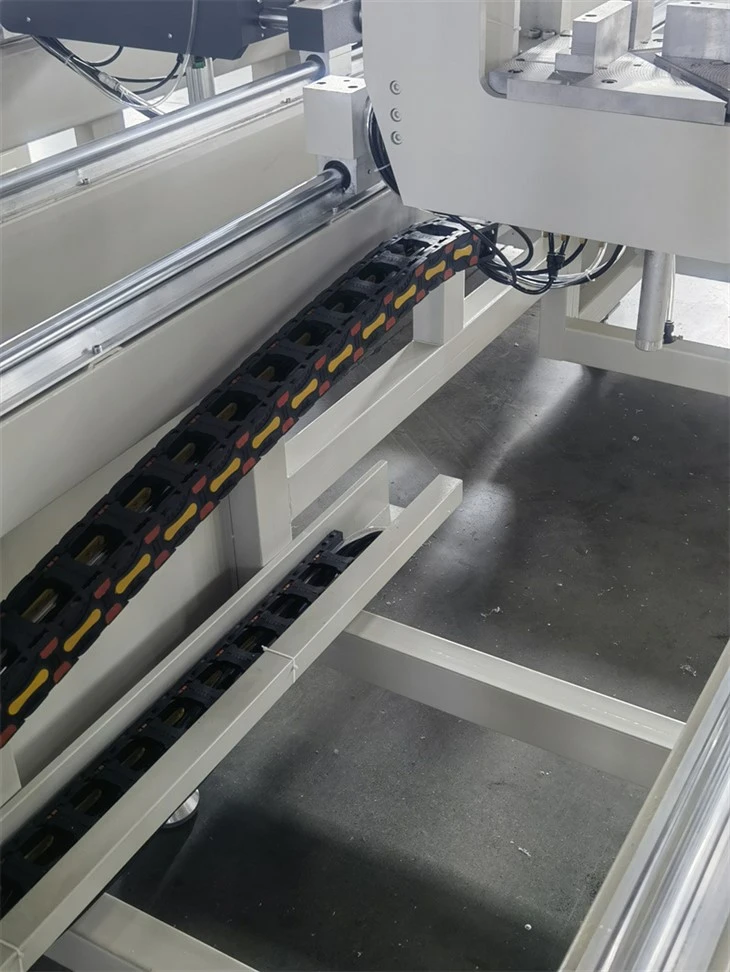
If the machine is making strange noises, it could be a sign of a mechanical problem. Check the moving parts, like the pneumatic cylinders and the drive belts, for any signs of wear or damage. If you're not sure how to fix it, it's best to call a professional technician.
Different Types of PVC Window Welding Machines
There are several types of PVC window welding machines available in the market. The UPVC Corner Welding Machine is designed specifically for welding the corners of PVC windows. It's a popular choice for small to medium - sized window manufacturing businesses.
The UPVC Seamless Welding Machine can create seamless welds, which are ideal for high - end windows. These machines use advanced technology to ensure a perfect finish.
Each type of machine has its own features and advantages. When choosing a machine, consider your specific needs and budget.

Conclusion
Operating a PVC window welding machine may seem complicated at first, but with a little practice and the right knowledge, you'll be able to do it like a pro. Remember to always do the pre - operation checks, load the profiles correctly, set the welding parameters accurately, and perform the post - welding operations.
If you're in the market for a PVC window welding machine, I'm here to help. As a supplier, I can offer you high - quality machines at competitive prices. Whether you need a simple corner welding machine or a more advanced seamless welding machine, I've got you covered.
If you have any questions or want to discuss your specific requirements, don't hesitate to reach out. Let's start a conversation and see how we can work together to take your window - making business to the next level.
References
- Manufacturer's manuals of PVC window welding machines
- Industry best practices for PVC window manufacturing