

Can a pvc window welding machine weld different thicknesses of PVC profiles?
Hey there! As a supplier of PVC window welding machines, I often get asked a bunch of questions from customers. One question that pops up quite a bit is, "Can a PVC window welding machine weld different thicknesses of PVC profiles?" Well, let's dig into this topic and find out.
First off, let's understand the basics. PVC window welding machines are pretty cool pieces of equipment. They're used to join PVC profiles together to make windows. These profiles come in all sorts of thicknesses, depending on what the window is for, the climate it'll be in, and the design requirements.
Now, the short answer to the question is yes, many modern PVC window welding machines can handle different thicknesses of PVC profiles. But it's not as simple as just throwing any old profile in there and expecting a perfect weld. There are a few things to consider.
How Do PVC Window Welding Machines Work?
Before we get into the thickness part, let's quickly go over how these machines work. Most PVC window welding machines use a process called hot plate welding. In this process, the ends of the PVC profiles are pressed against a heated plate. The heat softens the PVC, and then the profiles are quickly joined together under pressure. Once they cool down, they form a strong, permanent bond.
Factors Affecting Welding Different Thicknesses
When it comes to welding different thicknesses of PVC profiles, there are a few key factors that come into play.
Temperature Control
Temperature is super important. Thicker PVC profiles need more heat to soften properly. If the temperature is too low, the PVC won't soften enough, and the weld won't be strong. On the other hand, if the temperature is too high, the PVC can melt too much, leading to a messy weld and potentially weakening the profile.
Good quality PVC window welding machines have precise temperature control systems. These systems can be adjusted to suit different thicknesses of PVC profiles. For example, if you're welding a thicker profile, you can increase the temperature slightly to ensure a proper weld.
Pressure
Pressure is another crucial factor. When the softened PVC profiles are joined together, the right amount of pressure needs to be applied. Thicker profiles usually require more pressure to ensure a good bond. Most modern welding machines allow you to adjust the pressure according to the thickness of the profiles you're working with.
Welding Time
The time the profiles are in contact with the heated plate and the time they're held together under pressure also matter. Thicker profiles generally need more time to heat up and cool down. A good PVC window welding machine will have adjustable welding times, so you can set them according to the thickness of the profiles.
Types of PVC Window Welding Machines and Their Capabilities
There are different types of PVC window welding machines, and each has its own capabilities when it comes to welding different thicknesses of PVC profiles.
UPVC Seamless Welding Machine
This type of machine is great for creating seamless joints in PVC windows. It can handle a wide range of PVC profile thicknesses. The advanced technology in these machines allows for precise temperature, pressure, and time control, making it easier to weld different thicknesses with high-quality results.
UPVC Corner Welding Machine
As the name suggests, this machine is mainly used for welding the corners of PVC windows. It can also handle various thicknesses of profiles. The design of the machine is optimized for corner welding, and it often comes with features that make it easy to adjust for different profile thicknesses.
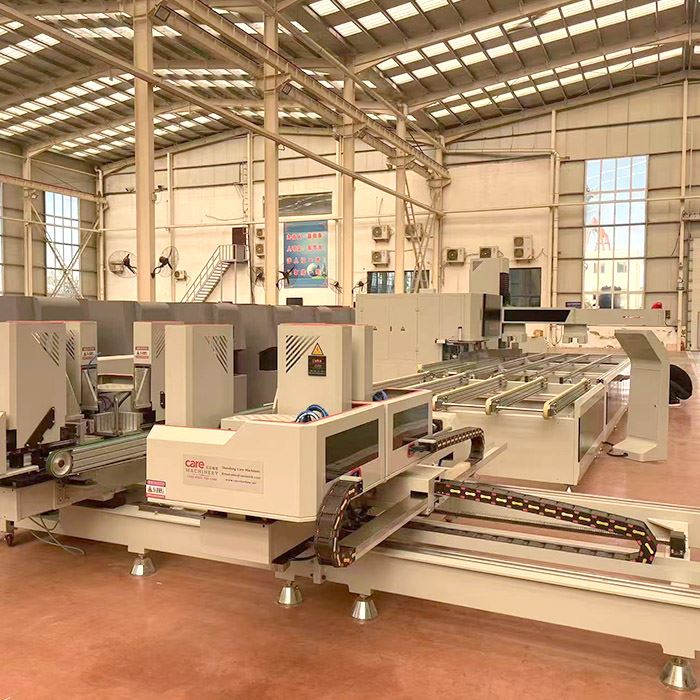
Automatic Integrated PVC Window Welding And Corner Cleaning Line
This is a more advanced and integrated solution. It can not only weld different thicknesses of PVC profiles but also perform other tasks like corner cleaning. These systems are highly customizable and can be programmed to handle different profile thicknesses automatically.
Tips for Welding Different Thicknesses of PVC Profiles
If you're planning to use a PVC window welding machine to weld different thicknesses of profiles, here are some tips to keep in mind:
- Test First: Before starting a large project, do some test welds with different thicknesses. This will help you find the right settings for temperature, pressure, and time.
- Clean the Profiles: Make sure the PVC profiles are clean before welding. Any dirt or debris can affect the quality of the weld.
- Use the Right Tools: Use the appropriate tools for handling and positioning the profiles. This will ensure accurate and consistent welds.
- Maintain the Machine: Regularly maintain your welding machine. This includes cleaning the heated plates, checking the pressure and temperature sensors, and lubricating moving parts.
Conclusion
So, to sum it up, yes, a PVC window welding machine can weld different thicknesses of PVC profiles. But it requires careful consideration of factors like temperature, pressure, and welding time. With the right machine and proper settings, you can achieve high-quality welds on profiles of various thicknesses.
If you're in the market for a PVC window welding machine and have any questions about its capabilities or need help choosing the right one for your specific requirements, don't hesitate to reach out. We're here to assist you in making the best decision for your business. Whether you're a small workshop or a large manufacturing plant, we've got the solutions to meet your needs. Let's start a conversation and see how we can work together to take your PVC window production to the next level.
References
- "PVC Window Manufacturing Technology" by [Author's Name]
- Industry reports on PVC window welding machines from leading market research firms.