

How to optimize the cutting parameters of an aluminum drilling machine?
Optimizing the cutting parameters of an aluminum drilling machine is crucial for achieving high-quality results, improving productivity, and reducing costs. As a supplier of aluminum drilling machines, I've witnessed firsthand the impact that proper parameter optimization can have on the performance of these machines. In this blog post, I'll share some insights on how to optimize the cutting parameters of an aluminum drilling machine.
Understanding the Basics of Cutting Parameters
Before delving into the optimization process, it's essential to understand the key cutting parameters involved in aluminum drilling. These parameters include cutting speed, feed rate, and drill bit geometry.
- Cutting Speed: This refers to the speed at which the drill bit rotates. It is typically measured in surface feet per minute (SFM) or meters per minute (m/min). The cutting speed affects the rate of material removal and the quality of the hole. A higher cutting speed generally results in faster material removal but can also lead to increased tool wear and poor hole quality if not properly controlled.
- Feed Rate: The feed rate is the speed at which the drill bit advances into the workpiece. It is measured in inches per revolution (IPR) or millimeters per revolution (mm/r). The feed rate determines the amount of material removed with each rotation of the drill bit. A higher feed rate can increase productivity but may also cause issues such as chip clogging and poor hole finish.
- Drill Bit Geometry: The geometry of the drill bit, including the point angle, helix angle, and flute design, plays a significant role in the drilling process. Different drill bit geometries are suitable for different aluminum alloys and drilling applications. For example, a drill bit with a higher point angle is better for drilling through harder aluminum alloys, while a drill bit with a lower point angle is more suitable for softer alloys.
Factors Affecting Cutting Parameters
Several factors can influence the optimal cutting parameters for an aluminum drilling machine. These factors include:
- Aluminum Alloy: Different aluminum alloys have different mechanical properties, such as hardness, strength, and ductility. These properties can affect the cutting forces, chip formation, and tool wear during the drilling process. For example, harder aluminum alloys require lower cutting speeds and feed rates to prevent excessive tool wear, while softer alloys can tolerate higher cutting speeds and feed rates.
- Drill Bit Material: The material of the drill bit also affects the cutting parameters. Common drill bit materials for aluminum drilling include high-speed steel (HSS), carbide, and cobalt. Carbide drill bits are generally more expensive but offer better wear resistance and can withstand higher cutting speeds compared to HSS drill bits.
- Machine Rigidity: The rigidity of the drilling machine is crucial for maintaining stable cutting conditions. A rigid machine can better withstand the cutting forces generated during the drilling process, resulting in more accurate holes and less tool wear. If the machine is not rigid enough, it may cause vibrations, which can lead to poor hole quality and premature tool failure.
- Coolant and Lubrication: Using the right coolant and lubrication can significantly improve the drilling process. Coolants help to dissipate heat, reduce friction, and flush away chips from the cutting zone. Lubricants, on the other hand, can reduce tool wear and improve the surface finish of the holes. The type of coolant and lubricant used depends on the specific aluminum alloy and drilling application.
Steps to Optimize Cutting Parameters
Now that we understand the basics of cutting parameters and the factors that affect them, let's discuss the steps to optimize the cutting parameters of an aluminum drilling machine.
Step 1: Analyze the Aluminum Alloy
The first step is to analyze the specific aluminum alloy being drilled. Determine its hardness, strength, and other mechanical properties. This information can usually be obtained from the material supplier or through material testing. Based on the alloy properties, select the appropriate drill bit material and geometry.
Step 2: Select the Initial Cutting Parameters
Once you have analyzed the aluminum alloy, you can select the initial cutting parameters. You can refer to the drill bit manufacturer's recommendations or use general guidelines based on the alloy type and drill bit material. For example, for soft aluminum alloys, you can start with a cutting speed of 300 - 500 SFM and a feed rate of 0.005 - 0.010 IPR. For harder aluminum alloys, reduce the cutting speed to 100 - 300 SFM and the feed rate to 0.002 - 0.005 IPR.
Step 3: Conduct Test Drilling
After selecting the initial cutting parameters, conduct test drilling on a sample workpiece. Monitor the drilling process closely and observe the following:
- Chip Formation: The chips should be long and continuous, indicating proper cutting conditions. If the chips are short, broken, or powdery, it may indicate that the cutting parameters are too aggressive or that the drill bit is dull.
- Hole Quality: Check the diameter, roundness, and surface finish of the holes. The holes should be within the specified tolerance and have a smooth surface finish. If the holes are oversized, undersized, or have a rough surface finish, adjust the cutting parameters accordingly.
- Tool Wear: Inspect the drill bit for signs of wear, such as dull edges, chipping, or flaking. Excessive tool wear can lead to poor hole quality and increased cutting forces. If the drill bit shows significant wear, replace it with a new one.
Step 4: Adjust the Cutting Parameters
Based on the results of the test drilling, adjust the cutting parameters as needed. If the chips are not forming properly or the hole quality is poor, reduce the cutting speed and feed rate. If the drilling process is too slow, increase the cutting speed and feed rate gradually, while monitoring the chip formation and hole quality.

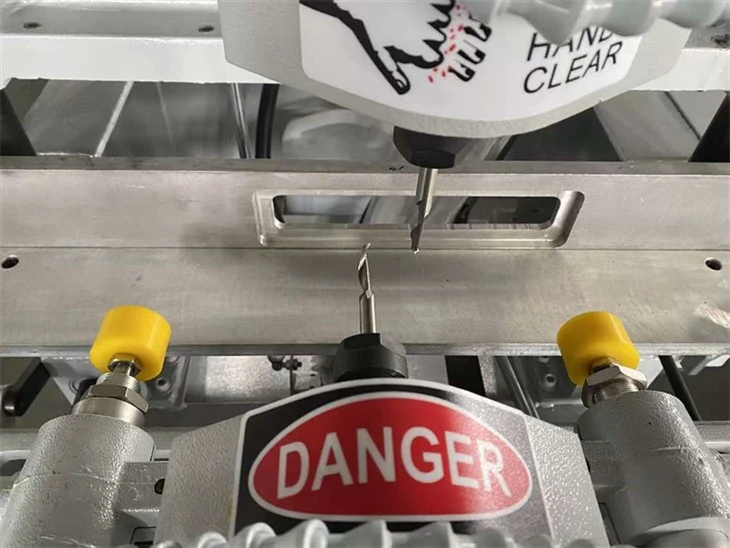
Step 5: Continuously Monitor and Optimize
Once you have optimized the cutting parameters, continuously monitor the drilling process during production. Keep an eye on the chip formation, hole quality, and tool wear. If any issues arise, make adjustments to the cutting parameters immediately. Regularly maintain and sharpen the drill bits to ensure consistent performance.
Recommended Aluminum Drilling Machines
As an aluminum drilling machine supplier, we offer a range of high-quality machines suitable for different aluminum drilling applications. Here are some of our recommended products:
- CNC Aluminum Processing Center: This machine is equipped with advanced CNC technology, allowing for precise and efficient drilling of aluminum profiles. It offers high cutting speeds, accurate positioning, and a wide range of drilling capabilities.
- Single Head Copy Router: Ideal for small to medium-sized aluminum drilling projects, this single-head copy router provides excellent accuracy and repeatability. It is easy to operate and can be customized to meet specific customer requirements.
- Double Head Copy Router: For larger production volumes, our double-head copy router offers increased productivity and efficiency. It features two drilling heads that can work simultaneously, reducing the drilling time and increasing the output.
Conclusion
Optimizing the cutting parameters of an aluminum drilling machine is a complex process that requires a thorough understanding of the material, tooling, and machine capabilities. By following the steps outlined in this blog post and considering the factors that affect cutting parameters, you can achieve high-quality results, improve productivity, and reduce costs. If you have any questions or need further assistance in optimizing the cutting parameters of your aluminum drilling machine, please don't hesitate to contact us. We are here to help you find the best solutions for your aluminum drilling needs.
References
- Kalpakjian, S., & Schmid, S. R. (2010). Manufacturing Engineering and Technology. Pearson.
- Trent, E. M., & Wright, P. K. (2000). Metal Cutting. Butterworth-Heinemann.
- ASM Handbook Committee. (2000). ASM Handbook, Volume 14A: Metalworking: Bulk Forming. ASM International.