

How to calibrate a corner crimping machine?
Calibrating a corner crimping machine is a crucial process that ensures the machine operates at its optimal performance, producing high - quality corner crimps consistently. As a supplier of corner crimping machines, I understand the significance of proper calibration and its impact on the overall production efficiency and product quality. In this blog, I will guide you through the steps of calibrating a corner crimping machine.
Pre - calibration Preparation
Before starting the calibration process, it is essential to conduct a thorough inspection of the machine. Check for any visible damages, loose parts, or signs of wear and tear. Make sure all the electrical connections are secure and the power supply is stable. Also, clean the machine to remove any debris or dust that may affect its operation.
Understanding the Machine's Specifications
Each corner crimping machine has its own set of specifications, including the crimping force, crimping depth, and the size of the profiles it can handle. Refer to the machine's manual to familiarize yourself with these specifications. This knowledge will serve as a reference point during the calibration process.
Checking the Crimping Force
The crimping force is one of the most critical parameters in a corner crimping machine. To check the crimping force, you can use a force gauge. First, set up the machine with a test profile. Then, activate the crimping process and measure the force applied by the machine on the profile using the force gauge.
If the measured force is lower than the specified value in the machine's manual, it may indicate a problem with the hydraulic system (if it is a hydraulic - powered machine) or the mechanical components. Check the hydraulic fluid level, the pump, and the valves for any leaks or malfunctions. For mechanical machines, inspect the gears, levers, and springs for wear or damage.
If the force is too high, it can cause over - crimping, which may damage the profiles. In this case, you may need to adjust the pressure settings. On hydraulic machines, this can usually be done by adjusting the pressure relief valve. On mechanical machines, you may need to adjust the tension of the springs or the position of the mechanical stops.
Adjusting the Crimping Depth
The crimping depth determines how deeply the machine crimps the corners of the profiles. Incorrect crimping depth can lead to weak joints or damage to the profiles. To adjust the crimping depth, you need to locate the depth adjustment mechanism on the machine.
On some machines, this can be done by turning a screw or a knob. Make small adjustments and test the crimping depth on a test profile after each adjustment. Use a depth gauge to measure the actual crimping depth. Compare the measured depth with the specified value in the machine's manual.
It is important to note that the crimping depth may vary depending on the type and thickness of the profiles. Therefore, you may need to make different adjustments for different profiles.
Aligning the Crimping Dies
The crimping dies are the parts of the machine that come into direct contact with the profiles during the crimping process. Proper alignment of the crimping dies is essential for achieving uniform and high - quality crimps.
To align the crimping dies, first, clean the dies to remove any dirt or debris. Then, visually inspect the alignment of the dies. You can use a straightedge or a laser alignment tool to check if the dies are parallel to each other and perpendicular to the profiles.
If the dies are misaligned, you may need to loosen the mounting bolts and adjust the position of the dies. Make small adjustments and check the alignment again after each adjustment. Once the alignment is correct, tighten the mounting bolts securely.
Testing the Tooling
The tooling of the corner crimping machine, including the punches and the dies, should be in good condition. Check the tooling for any signs of wear, such as dull edges or cracks. If the tooling is worn, it can affect the quality of the crimps.
You can test the tooling by running a series of test crimps on different profiles. Inspect the crimped corners for any defects, such as uneven crimps, burrs, or incomplete joints. If you notice any problems, you may need to replace the worn tooling.
Calibrating the Automatic Functions (if applicable)
Some modern corner crimping machines, such as the Automatic Tool Change Corner Crimping Machine, come with automatic functions. These functions, such as automatic tool change and automatic profile feeding, need to be calibrated properly.
To calibrate the automatic tool change function, follow the instructions in the machine's manual. Usually, this involves setting up the correct tool positions, the tool change sequence, and the timing of the tool change.
For the automatic profile feeding function, adjust the feeding speed and the positioning accuracy. You can use sensors and encoders to measure and adjust these parameters. Make sure the profiles are fed accurately and consistently to the crimping area.
Final Checks and Verification
After completing all the calibration steps, perform a final check of the machine. Run a series of test crimps on different profiles and inspect the quality of the crimps. Check the crimping force, depth, and alignment again to ensure they are within the specified range.
If everything is working correctly, the machine is ready for production. However, it is recommended to monitor the machine's performance during the initial production runs to ensure that the calibration remains stable.
Conclusion
Calibrating a corner crimping machine is a complex but essential process. By following the steps outlined in this blog, you can ensure that your machine operates at its best, producing high - quality corner crimps. Whether you are using an Aluminum Corner Crimping Machine or a more advanced automatic - tool - change model, proper calibration is the key to achieving optimal results.
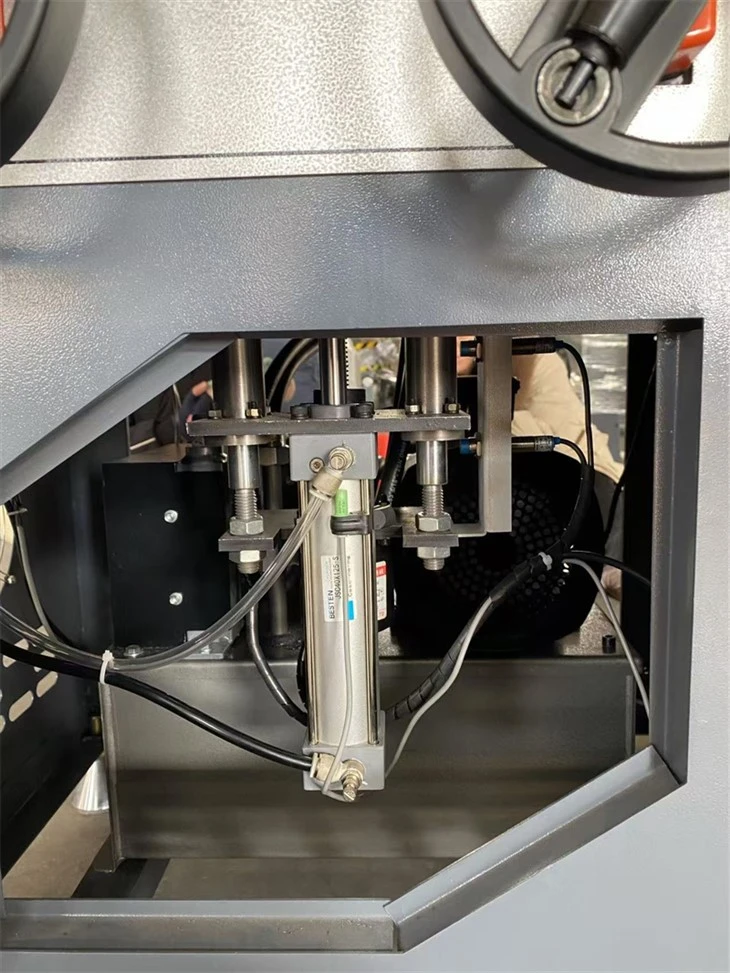
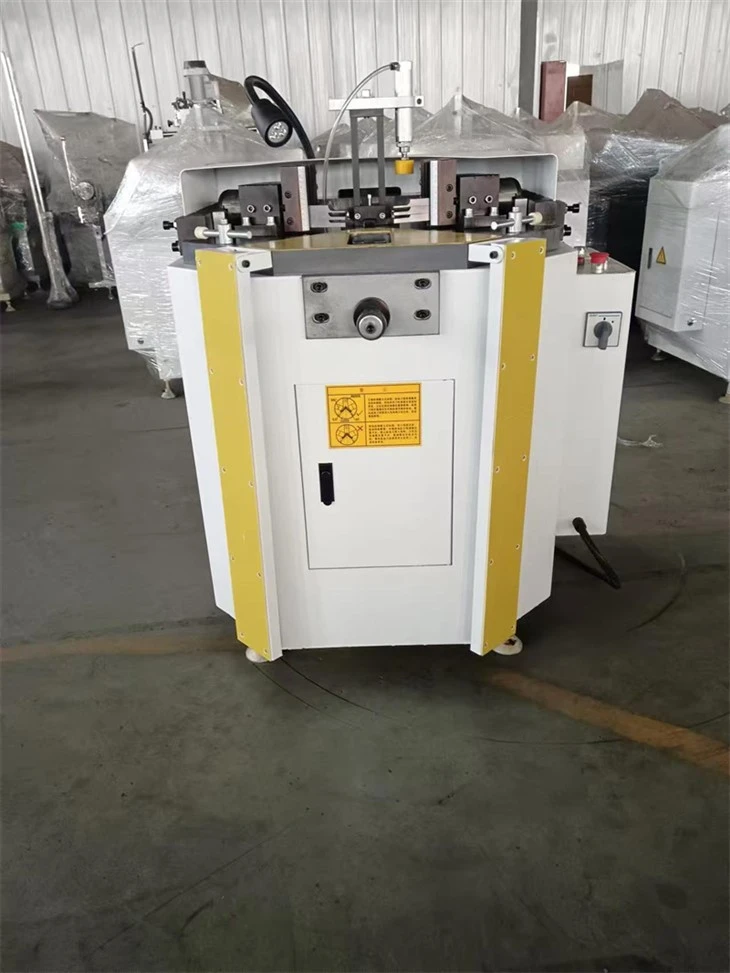
If you have any questions or need further assistance with calibrating your corner crimping machine, or if you are interested in purchasing a new machine, feel free to contact us for a detailed discussion and negotiation. We are committed to providing you with the best solutions for your corner crimping needs.
References
- Manufacturer's manuals of corner crimping machines
- Industry standards for corner crimping quality and machine calibration