

How to deal with the waste sand from a glass sandblasting machine?
Hey there! As a supplier of glass sandblasting machines, I've seen firsthand the issue of waste sand piling up. It's a common headache for many businesses using these machines, whether they're small shops or large manufacturing plants. In this blog, I'll share some practical ways to deal with the waste sand from a glass sandblasting machine.
Understanding the Problem
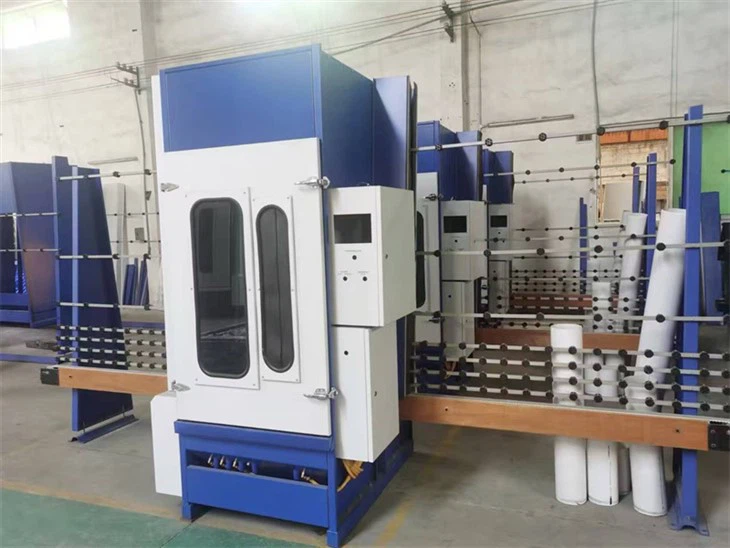
First off, let's talk about why waste sand is a problem. When you use a Laser Glass Sandblasting Machine or an Automatic Glass Sandblasting Machine, the sand gets contaminated with glass particles, dust, and other debris during the sandblasting process. This contaminated sand can't be reused directly, and if not handled properly, it can cause environmental problems and increase costs.
Recycling the Waste Sand
One of the best ways to deal with waste sand is to recycle it. Recycling not only reduces waste but also saves money on new sand purchases. Here's how you can do it:
1. Separation
The first step in recycling waste sand is to separate the contaminants from the sand. You can use a series of screens and filters to remove larger glass particles and debris. There are also magnetic separators available that can remove any ferrous metals that might be present in the waste sand.
2. Cleaning
After separation, the sand needs to be cleaned to remove the remaining dust and small glass particles. You can use a sand washer or a similar device to clean the sand. This usually involves agitating the sand in water to loosen the contaminants and then filtering the water to remove the dirt.
3. Reuse
Once the sand is clean, it can be reused in the sandblasting process. However, you need to make sure that the recycled sand meets the quality requirements for your specific application. In some cases, you might need to mix the recycled sand with new sand to achieve the desired results.
Selling the Waste Sand
If recycling the waste sand isn't an option for you, another alternative is to sell it. There are companies that specialize in buying waste sand and reprocessing it for other uses. For example, the waste sand can be used in construction projects, such as making concrete or asphalt. You can search online or contact local recycling companies to find potential buyers for your waste sand.
Proper Disposal
If recycling or selling the waste sand isn't feasible, you'll need to dispose of it properly. Improper disposal of waste sand can lead to environmental pollution and legal issues. Here are some guidelines for proper disposal:
1. Check Local Regulations
Before disposing of the waste sand, make sure you check the local regulations regarding waste disposal. Different areas have different rules and requirements, so it's important to comply with them to avoid any fines or penalties.
2. Use a Licensed Waste Disposal Company
To ensure that the waste sand is disposed of properly, it's recommended to use a licensed waste disposal company. These companies have the expertise and equipment to handle and dispose of the waste sand in an environmentally friendly manner.
3. Landfill Disposal
If landfill disposal is the only option, make sure the waste sand is placed in a designated landfill site. Some landfills have specific requirements for the disposal of industrial waste, so you'll need to follow their guidelines.
Tips for Reducing Waste Sand Generation
In addition to dealing with the waste sand, it's also a good idea to take steps to reduce the amount of waste sand generated in the first place. Here are some tips:

1. Optimize the Sandblasting Process
Make sure you're using the right type and amount of sand for your sandblasting job. Using too much sand can lead to more waste, while using the wrong type of sand can result in inefficient sandblasting and more frequent sand changes.
2. Maintain the Sandblasting Machine
Regular maintenance of your glass sandblasting machine can help ensure that it's operating efficiently. This includes cleaning the machine regularly, checking the hoses and nozzles for wear and tear, and replacing any damaged parts.
3. Train Your Operators
Proper training of your operators can also help reduce waste sand generation. Make sure your operators know how to use the sandblasting machine correctly, including how to adjust the pressure and flow rate of the sand.
Conclusion
Dealing with the waste sand from a glass sandblasting machine doesn't have to be a hassle. By recycling, selling, or properly disposing of the waste sand, and taking steps to reduce waste sand generation, you can save money, protect the environment, and keep your business running smoothly.
If you're in the market for a new glass sandblasting machine or have any questions about dealing with waste sand, feel free to reach out. We're here to help you find the best solutions for your needs. Let's start a conversation and see how we can work together to improve your sandblasting operations.
References
- Sandblasting Equipment Handbook
- Environmental Regulations for Industrial Waste Disposal