

What is the working principle of a glass sandblasting machine?
Hey there! As a supplier of glass sandblasting machines, I'm super stoked to dive into the working principle of these amazing pieces of equipment. Glass sandblasting machines are widely used in various industries, from art and decoration to manufacturing and construction. They can transform plain glass into stunning works of art or provide a functional finish for industrial applications. So, let's get started and explore how these machines work!
The Basics of Glass Sandblasting
Before we jump into the working principle, let's quickly go over what glass sandblasting is. Sandblasting is a process that uses compressed air to propel abrasive particles at high speed onto a surface. In the case of glass sandblasting, the abrasive particles are typically made of materials like silicon carbide, aluminum oxide, or glass beads. When these particles hit the glass surface, they remove a thin layer of the glass, creating a frosted or textured effect.
Components of a Glass Sandblasting Machine
A typical glass sandblasting machine consists of several key components:
- Compressor: This is the heart of the sandblasting machine. It generates the compressed air needed to propel the abrasive particles.
- Abrasive Hopper: This is where the abrasive particles are stored. The hopper is usually located at the top of the machine and has a valve that controls the flow of abrasive into the blasting gun.
- Blasting Gun: This is the tool that directs the abrasive particles onto the glass surface. The gun is connected to the compressor and the abrasive hopper by hoses.
- Blasting Cabinet: This is the enclosed area where the sandblasting process takes place. The cabinet is designed to contain the abrasive particles and prevent them from escaping into the environment. It also has a viewing window and gloves that allow the operator to see and manipulate the glass while blasting.
- Dust Collection System: This is an important component that helps to keep the working environment clean and safe. The dust collection system captures the abrasive particles and dust generated during the sandblasting process and filters them out of the air.
The Working Principle
Now that we know the basic components of a glass sandblasting machine, let's take a closer look at how it works. The process can be broken down into the following steps:
- Prepare the Glass: Before starting the sandblasting process, the glass needs to be cleaned and dried to remove any dirt, grease, or other contaminants. This ensures that the abrasive particles can adhere to the glass surface and create a uniform finish.
- Load the Abrasive: The next step is to load the abrasive particles into the hopper. The type and size of the abrasive particles will depend on the desired finish and the type of glass being blasted. For example, if you want a fine, smooth finish, you might use a smaller abrasive particle size.
- Set the Pressure and Flow Rate: Once the abrasive is loaded, the operator needs to set the pressure and flow rate of the compressed air. The pressure determines the speed at which the abrasive particles are propelled onto the glass surface, while the flow rate controls the amount of abrasive that is used.
- Start the Compressor: With the pressure and flow rate set, the operator can start the compressor. The compressor generates the compressed air that is needed to propel the abrasive particles through the blasting gun.
- Blast the Glass: The operator then holds the blasting gun close to the glass surface and pulls the trigger. This releases the compressed air and abrasive particles, which are directed onto the glass. The operator moves the gun back and forth over the glass surface to create the desired pattern or finish.
- Clean the Glass: After the sandblasting process is complete, the glass needs to be cleaned to remove any remaining abrasive particles and dust. This can be done using a brush, a vacuum cleaner, or by rinsing the glass with water.
Types of Glass Sandblasting Machines
There are several types of glass sandblasting machines available on the market, each with its own unique features and advantages. Some of the most common types include:
- Manual Glass Sandblasting Machine: This is the most basic type of sandblasting machine. It is operated by hand and is suitable for small-scale projects or for creating custom designs.
- Automatic Glass Sandblasting Machine: This type of machine is designed for high-volume production. It is fully automated and can blast multiple pieces of glass at the same time. Automatic sandblasting machines are typically used in manufacturing and industrial applications.
- Laser Glass Sandblasting Machine: This is a more advanced type of sandblasting machine that uses a laser to create the pattern or design on the glass. Laser sandblasting machines are capable of creating very precise and detailed designs, and they are often used in the art and decoration industry.
Advantages of Using a Glass Sandblasting Machine
There are several advantages to using a glass sandblasting machine, including:

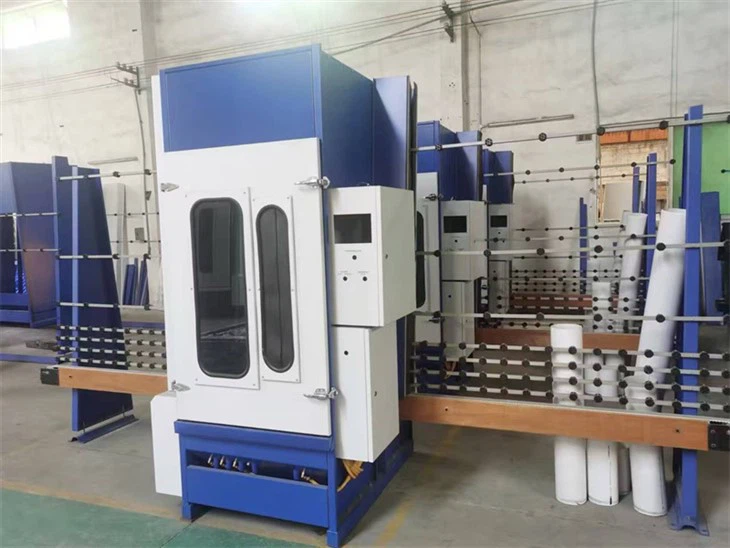
- Versatility: Glass sandblasting machines can be used to create a wide variety of finishes and patterns on glass, from simple frosted effects to complex designs.
- Durability: The sandblasted finish is very durable and resistant to scratches, abrasion, and chemicals. This makes it ideal for use in high-traffic areas or in applications where the glass needs to withstand harsh conditions.
- Cost-Effective: Sandblasting is a relatively inexpensive way to transform plain glass into a beautiful and functional product. It is often more cost-effective than other methods of glass decoration, such as etching or painting.
- Environmentally Friendly: Sandblasting uses natural abrasive materials, such as silicon carbide and aluminum oxide, which are non-toxic and environmentally friendly. This makes it a sustainable alternative to other methods of glass decoration.
Conclusion
In conclusion, glass sandblasting machines are amazing pieces of equipment that can transform plain glass into beautiful works of art or functional products. By understanding the working principle of these machines, you can choose the right type of machine for your needs and achieve the desired finish on your glass. Whether you're a professional glass artist, a manufacturer, or a DIY enthusiast, a glass sandblasting machine can help you take your projects to the next level.
If you're interested in purchasing a glass sandblasting machine or have any questions about our products, please don't hesitate to contact us. We'd be happy to help you find the right machine for your needs and provide you with all the information you need to get started.
References
- "Sandblasting Basics." The Fabricator, https://www.thefabricator.com/thefabricator/article/sandblasting/sandblasting-basics.
- "How Does a Sandblasting Machine Work?" Sandblasting Equipment, https://www.sandblastingequipment.com/how-does-a-sandblasting-machine-work/.
- "Glass Sandblasting: A Guide." Glass Art Now, https://www.glassartnow.com/glass-sandblasting-a-guide/.