

What is the sandblasting compatibility with different glass coatings?
Sandblasting is a popular technique used in the glass industry to create various surface finishes, from a smooth, frosted look to a more textured appearance. But when it comes to different glass coatings, things can get a bit tricky. As a supplier of glass sandblasting machines, I've seen firsthand how important it is to understand the compatibility between sandblasting and various glass coatings. So, let's dive into this topic and explore what you need to know.
Understanding Glass Coatings
Before we talk about sandblasting compatibility, let's quickly go over the different types of glass coatings. There are several kinds, each with its own unique properties and uses.
- Anti - Reflective Coatings: These coatings are designed to reduce glare and reflections on the glass surface. They're commonly used in optical lenses, display screens, and architectural glass. Anti - reflective coatings are usually made up of multiple layers of thin films, which can be quite delicate.
- Self - Cleaning Coatings: Self - cleaning glass coatings work by breaking down organic dirt and allowing rainwater to wash it away. They often contain titanium dioxide, which is activated by sunlight. These coatings are great for outdoor glass applications, like windows on tall buildings.
- Low - E (Low - Emissivity) Coatings: Low - E coatings are used to improve the energy efficiency of glass. They reflect infrared radiation, which helps to keep heat inside during the winter and outside during the summer. These coatings are typically applied as a thin metallic layer on the glass surface.
- Decorative Coatings: Decorative coatings can add color, patterns, or special effects to glass. They can be anything from a simple tint to a complex printed design. These coatings are used in interior design, art installations, and custom glass products.
Sandblasting and Glass Coatings Compatibility
Now, let's look at how sandblasting interacts with these different glass coatings.
Anti - Reflective Coatings
Sandblasting can be a real challenge for anti - reflective coatings. Since these coatings are made up of thin, delicate layers, the high - velocity abrasive particles used in sandblasting can easily damage or remove them. If you try to sandblast a glass with an anti - reflective coating, you'll likely end up with a cloudy or uneven surface, and the anti - reflective properties will be lost. In most cases, it's best to remove the anti - reflective coating before sandblasting or use a less abrasive method for surface treatment.
Self - Cleaning Coatings
Self - cleaning coatings are also quite sensitive to sandblasting. The titanium dioxide layer in these coatings can be disrupted by the abrasive action of sandblasting. This can reduce the self - cleaning effectiveness of the coating. However, if you need to sandblast a glass with a self - cleaning coating, you might be able to do a light sandblasting with a very fine abrasive. But you have to be extremely careful to avoid damaging the coating too much.
Low - E Coatings
Low - E coatings are a bit more robust than anti - reflective and self - cleaning coatings, but they still need to be handled with care. Sandblasting can damage the metallic layer in the low - E coating, which will reduce its energy - efficient properties. If you want to sandblast a glass with a low - E coating, you can consider masking off the areas where the coating needs to be preserved. Or, you can use a sandblasting machine with adjustable pressure and select a lower pressure setting to minimize the damage.
Decorative Coatings
The compatibility of sandblasting with decorative coatings depends on the type of coating. Some decorative coatings are more resistant to abrasion than others. For example, a thick, epoxy - based decorative coating might be able to withstand a certain amount of sandblasting without being completely removed. On the other hand, a thin, water - based decorative coating could be easily damaged. Before sandblasting a glass with a decorative coating, it's a good idea to test a small, inconspicuous area to see how the coating responds.
Choosing the Right Sandblasting Machine
As a glass sandblasting machine supplier, I know that choosing the right machine is crucial when working with different glass coatings.
- Laser Glass Sandblasting Machine: The Laser Glass Sandblasting Machine is a great option for precise and controlled sandblasting. It uses a laser to guide the abrasive particles, which allows for very accurate targeting. This is especially useful when you need to sandblast around a coated area without damaging the coating. The laser can also be adjusted to control the intensity of the sandblasting, which is important when working with delicate coatings.
- Automatic Glass Sandblasting Machine: The Automatic Glass Sandblasting Machine offers consistent and efficient sandblasting. It can be programmed to sandblast a specific pattern or area on the glass. This is beneficial when you're working on multiple pieces of glass with the same coating and need a uniform result. The automatic features also reduce the risk of human error, which can be especially important when dealing with sensitive coatings.
- Multi - Functional Automatic Glass Sandblasting Machine: The Multi - Functional Automatic Glass Sandblasting Machine is the most versatile option. It combines the features of the laser and automatic sandblasting machines. It can handle different types of glass coatings and sandblasting tasks. You can switch between different sandblasting modes and adjust the settings according to the specific requirements of the glass and the coating.
Tips for Sandblasting Glass with Coatings
Here are some tips to help you achieve the best results when sandblasting glass with coatings:
- Test First: Always test a small area of the glass with the coating before starting the full - scale sandblasting. This will give you an idea of how the coating will react to the sandblasting process.
- Choose the Right Abrasive: The type of abrasive you use can have a big impact on the coating. For delicate coatings, use a fine - grained abrasive, like baking soda or glass beads. For more robust coatings, you can use a coarser abrasive, like silicon carbide.
- Control the Pressure: Adjust the pressure of the sandblasting machine according to the coating's sensitivity. Lower pressure settings are usually better for delicate coatings.
- Masking: Use masking tape or other masking materials to protect the areas of the glass where the coating needs to be preserved. This is especially important when working with low - E or decorative coatings.
Conclusion
In conclusion, understanding the compatibility between sandblasting and different glass coatings is essential for achieving the best results in the glass industry. As a glass sandblasting machine supplier, I'm here to help you navigate these challenges. Whether you're working with anti - reflective, self - cleaning, low - E, or decorative coatings, there are ways to sandblast glass effectively while minimizing damage to the coating.
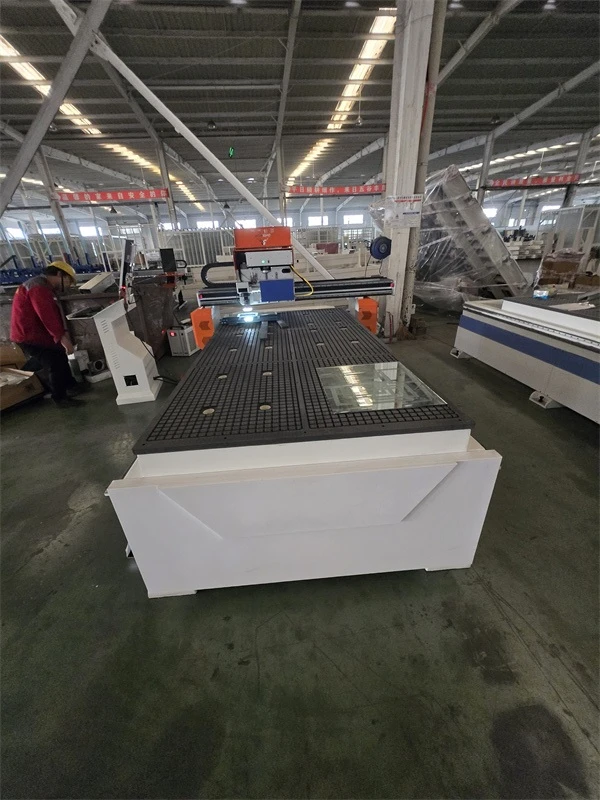

If you're interested in learning more about our glass sandblasting machines or need advice on sandblasting glass with coatings, don't hesitate to reach out. We're always happy to have a chat and discuss how we can meet your specific needs.
References
- ASTM International. (Year). Standard test methods for evaluating the performance of glass coatings.
- Glass Association of North America. (Year). Technical guide to glass coatings.
- Research papers on glass surface treatment and coating technology from relevant scientific journals.