

What is the noise level of an aluminum end milling machine?
As a reputable supplier of aluminum end milling machines, I often receive inquiries about various aspects of our products. One question that frequently comes up is, "What is the noise level of an aluminum end milling machine?" In this blog post, I'll delve into this topic, exploring the factors that influence the noise level, typical noise ranges, and how we, as a supplier, address noise concerns.
Understanding the Factors Affecting Noise Level
The noise level of an aluminum end milling machine is influenced by several key factors. First and foremost is the design and construction of the machine itself. Machines with high - quality components and precise engineering tend to operate more quietly. For example, a well - balanced spindle reduces vibrations, which in turn minimizes noise. Our CNC Aluminum End Milling Machine is designed with advanced technology to ensure smooth operation and reduced noise.
The cutting process also plays a significant role. When the end mill cuts through the aluminum material, the interaction between the tool and the workpiece generates noise. The type of cutting tool, its sharpness, and the cutting parameters such as feed rate and cutting speed all affect the noise level. A dull cutting tool may cause more friction and vibration, resulting in louder noise. Additionally, a high feed rate or cutting speed can increase the intensity of the cutting forces, leading to higher noise levels.
Another factor is the environment in which the machine operates. If the machine is placed on an uneven or unstable surface, it can cause additional vibrations and noise. Moreover, the presence of other machinery in the vicinity can contribute to a cumulative noise level in the workshop.
Typical Noise Ranges
The noise level of an aluminum end milling machine can vary depending on the factors mentioned above. Generally, in a normal operating environment, the noise level of a standard aluminum end milling machine may range from 70 to 90 decibels (dB).
At the lower end of the range (around 70 - 75 dB), the noise is relatively mild and comparable to the noise level of a normal conversation in a busy office. This is often achievable with well - maintained machines and optimal cutting parameters. On the other hand, when the machine is operating at high speeds or under heavy cutting loads, the noise level can reach up to 90 dB or even slightly higher. A noise level of 90 dB is similar to the noise of a lawnmower or a food blender.
It's important to note that continuous exposure to noise levels above 85 dB can pose a risk to hearing health. Therefore, it's crucial for operators to take appropriate safety measures, such as wearing hearing protection devices, especially when working with machines that generate high - level noise.

How We Address Noise Concerns
As a supplier, we understand the importance of reducing the noise level of our aluminum end milling machines. We invest heavily in research and development to improve the design and performance of our products.
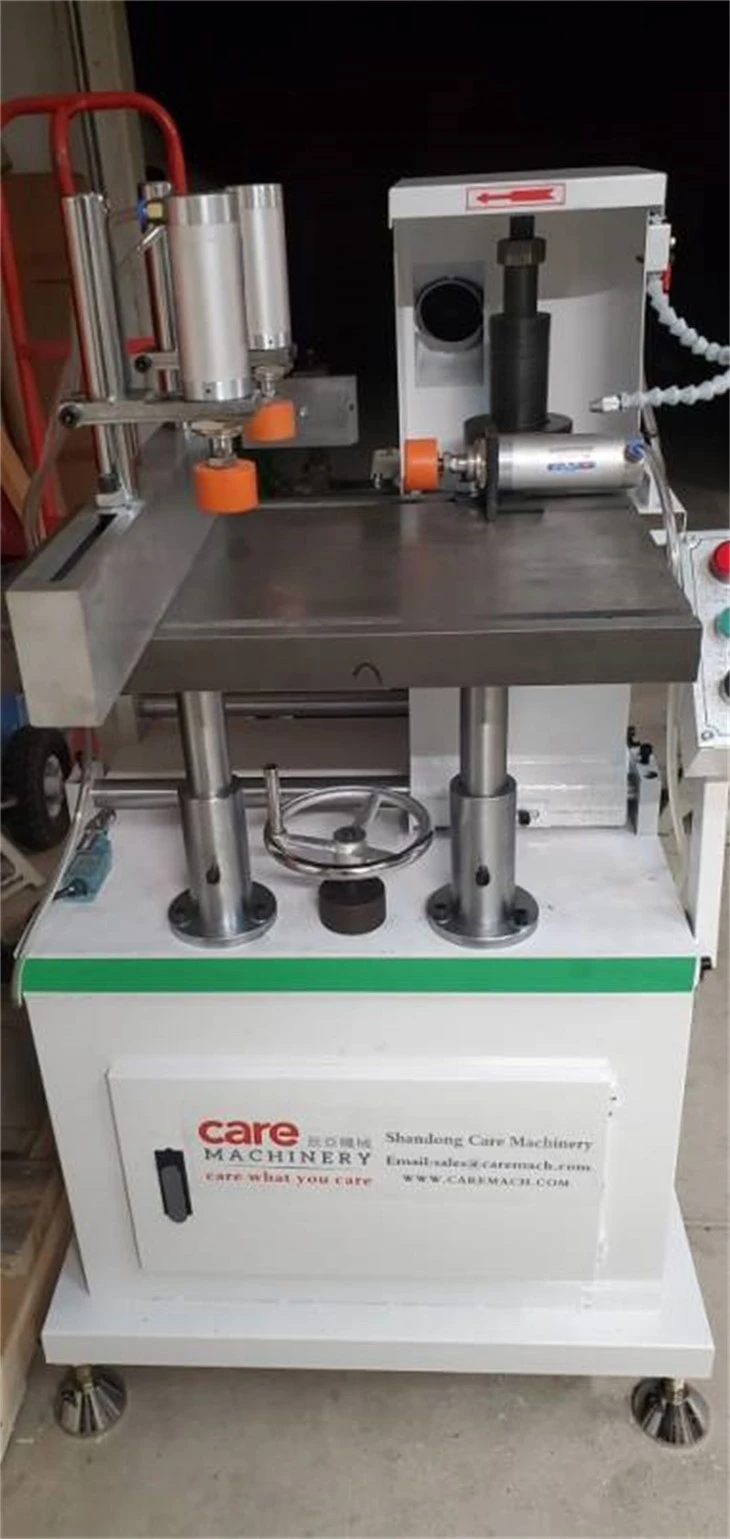
In terms of machine design, we use advanced materials and manufacturing techniques to enhance the rigidity and stability of the machine structure. This helps to minimize vibrations and reduce noise. For example, our Aluminum Window End Milling Machine is constructed with a robust frame that absorbs vibrations effectively.
We also provide detailed guidance on cutting parameters to our customers. By optimizing the feed rate, cutting speed, and other parameters, we can ensure that the machine operates at an optimal level, reducing noise while maintaining high - quality cutting performance.
In addition, we offer optional noise - reduction features for our machines. Some of our models are equipped with sound - absorbing enclosures or damping materials to further reduce the noise level. These features not only protect the operators' hearing but also create a more comfortable working environment in the workshop.
Importance of Noise Reduction in the Workplace
Reducing the noise level of aluminum end milling machines is not only beneficial for the operators' health but also has several other advantages. A quieter workplace can improve the overall productivity of the workers. When the noise level is low, workers can focus better on their tasks, reducing the likelihood of errors and improving the quality of the finished products.
Moreover, a low - noise environment is more attractive to potential employees. In today's competitive job market, companies that prioritize the well - being of their workers are more likely to attract and retain talented employees.
From a regulatory perspective, many countries and regions have strict regulations regarding workplace noise levels. By providing machines with low noise levels, we help our customers comply with these regulations, avoiding potential fines and legal issues.
Conclusion
In conclusion, the noise level of an aluminum end milling machine is influenced by multiple factors, including machine design, cutting process, and operating environment. Typical noise ranges can vary from 70 to 90 dB, and continuous exposure to high - level noise can be harmful to operators' hearing. As a supplier, we are committed to addressing noise concerns by improving machine design, providing cutting - parameter guidance, and offering noise - reduction features.
If you are in the market for an aluminum end milling machine and have concerns about noise levels or any other aspects of our products, we encourage you to contact us for more information. Our team of experts is ready to assist you in selecting the most suitable machine for your needs and providing you with comprehensive support. Whether you are interested in our CNC Aluminum End Milling Machine, Aluminum Window End Milling Machine, or Window Door End Milling Machine, we are here to help you make an informed decision.
References
- Machinery's Handbook, 31st Edition, Industrial Press Inc.
- Occupational Safety and Health Administration (OSHA) guidelines on workplace noise.
- Research papers on metal cutting and noise reduction in machining processes.