

What is the anti - static design of an insulating glass machine?
As a dedicated supplier of insulating glass machines, I've witnessed firsthand the critical role that anti-static design plays in the efficient and high-quality production of insulating glass. In this blog post, I'll delve into what anti-static design means for an insulating glass machine, its importance, and how it benefits the overall manufacturing process.
Understanding Static Electricity in Insulating Glass Manufacturing
Before we explore anti-static design, it's essential to understand the nature of static electricity and its potential impact on insulating glass production. Static electricity is an imbalance of electric charges within or on the surface of a material. In the context of insulating glass manufacturing, it can be generated through various processes such as friction between glass sheets and machine components, air movement, and the separation of materials.
When static electricity builds up on glass surfaces or machine parts, it can cause several problems. For instance, it can attract dust and other contaminants, which can compromise the quality of the insulating glass. Dust particles on the glass surface can lead to visible defects, reduced transparency, and even affect the performance of the insulating glass over time. Moreover, static electricity can interfere with the proper operation of the machine, causing misalignments, jams, or inaccurate measurements.
The Anti-Static Design of an Insulating Glass Machine
Anti-static design refers to the incorporation of features and technologies in an insulating glass machine to prevent or minimize the generation and accumulation of static electricity. Here are some key aspects of anti-static design:
Conductive Materials
One of the most common ways to combat static electricity is by using conductive materials in the construction of the machine. Conductive materials, such as metals or conductive polymers, allow electric charges to flow freely, preventing the buildup of static electricity. For example, the conveyor belts in an insulating glass machine can be made of conductive rubber or plastic, which helps to dissipate static charges as the glass sheets move along the production line.
Grounding Systems
Grounding is another essential component of anti-static design. A grounding system provides a path for electric charges to flow safely to the ground, effectively neutralizing any static electricity that may accumulate on the machine or the glass. In an insulating glass machine, all metal components, including frames, conveyor belts, and cutting tools, are typically connected to a grounding wire. This ensures that any static charges are quickly discharged, reducing the risk of electrostatic discharge (ESD) and its associated problems.
Ionization Devices
Ionization devices are used to neutralize static electricity by generating ions that can attract and neutralize the charged particles on the glass surface. There are two main types of ionization devices: corona discharge ionizers and pulsed DC ionizers. Corona discharge ionizers use a high-voltage electric field to generate ions, while pulsed DC ionizers use a pulsed direct current to produce ions. These devices are typically installed near the areas where static electricity is most likely to build up, such as the glass loading and unloading stations.
Anti-Static Coatings
Anti-static coatings can be applied to the glass surface or machine components to reduce the generation and accumulation of static electricity. These coatings work by either reducing the friction between the glass and the machine or by providing a conductive layer that allows electric charges to dissipate. Anti-static coatings can be applied during the manufacturing process or as a post-treatment to the finished glass products.
Benefits of Anti-Static Design in Insulating Glass Machines
The anti-static design of an insulating glass machine offers several benefits, both for the manufacturer and the end-user. Here are some of the key advantages:

Improved Product Quality
By preventing the accumulation of dust and other contaminants on the glass surface, anti-static design helps to ensure the production of high-quality insulating glass products. The absence of visible defects and impurities enhances the transparency and aesthetic appeal of the glass, making it more suitable for a wide range of applications, including residential and commercial buildings.
Increased Production Efficiency
Static electricity can cause jams, misalignments, and other operational issues in an insulating glass machine, leading to downtime and reduced productivity. Anti-static design helps to minimize these problems by ensuring smooth and reliable operation of the machine. This results in increased production efficiency, shorter lead times, and lower production costs.
Enhanced Safety
Electrostatic discharge (ESD) can pose a safety hazard in the workplace, especially in environments where flammable materials are present. Anti-static design helps to prevent ESD by dissipating static charges safely, reducing the risk of fire and explosion. This creates a safer working environment for operators and other personnel involved in the manufacturing process.
Extended Machine Lifespan
Static electricity can cause damage to machine components over time, leading to premature wear and tear and increased maintenance costs. Anti-static design helps to protect the machine from the harmful effects of static electricity, extending its lifespan and reducing the need for frequent repairs and replacements.
Our Anti-Static Insulating Glass Machines
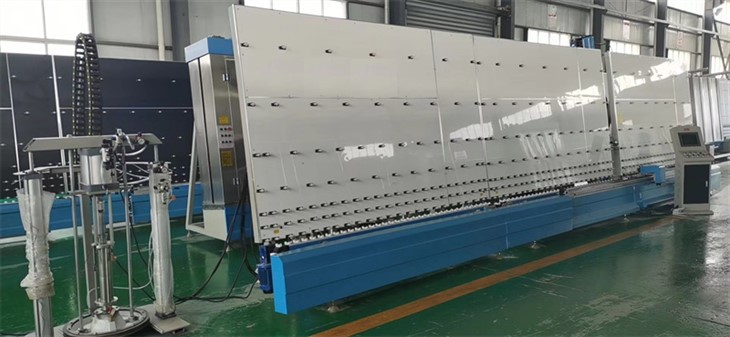
At our company, we understand the importance of anti-static design in insulating glass manufacturing. That's why all our Automatic Insulating Glass Production Line, Double Glazing Machine, and Insulating Glass Inline Gas Filling Production Line are equipped with advanced anti-static features to ensure the highest level of performance and quality.

Our machines are designed using conductive materials and grounding systems to prevent the buildup of static electricity. We also incorporate ionization devices and anti-static coatings to neutralize any static charges that may accumulate on the glass surface or machine components. In addition, our machines are regularly tested and calibrated to ensure that they meet the highest standards of anti-static performance.
Contact Us for Your Insulating Glass Machine Needs
If you're in the market for a high-quality insulating glass machine with advanced anti-static design, look no further. Our company is committed to providing our customers with the best products and services in the industry. Whether you're a small glass fabricator or a large-scale manufacturing plant, we have the right machine to meet your needs.
Contact us today to learn more about our anti-static insulating glass machines and how they can benefit your business. Our team of experts will be happy to answer any questions you may have and provide you with a customized solution that fits your specific requirements. Let's work together to take your insulating glass production to the next level.
References
- "Static Electricity in Manufacturing: Causes, Effects, and Solutions." Electro - Static Technology, Inc.
- "Anti - Static Coatings for Glass: A Review." Journal of Glass Science and Technology.
- "Grounding and Bonding in Industrial Electrical Systems." National Fire Protection Association.