

How to prevent the blade from getting dull quickly in a Pvc V Cutting Machine?
In the realm of PVC window manufacturing, a PVC V Cutting Machine stands as a pivotal piece of equipment. Its efficiency and precision significantly impact the overall production process. One of the most common challenges faced by operators of these machines is the rapid dulling of the cutting blade. As a reliable PVC V Cutting Machine supplier, I understand the importance of this issue and am eager to share some effective strategies to prevent the blade from getting dull quickly.
1. Selecting the Right Blade
The first step in preventing rapid blade dulling is choosing the appropriate blade for your PVC V Cutting Machine. Different types of PVC materials and cutting requirements demand specific blade characteristics. For instance, if you are cutting thick PVC profiles, a blade with a larger tooth count and a more robust design would be suitable. On the other hand, thinner profiles may require a blade with a finer tooth pitch for a smoother cut.
When selecting a blade, consider the following factors:
- Tooth Geometry: The shape and angle of the teeth play a crucial role in the cutting performance. A well-designed tooth geometry can reduce friction and heat generation, thereby prolonging the blade's lifespan.
- Material Quality: High-quality blade materials, such as carbide-tipped blades, offer superior durability and cutting performance compared to standard steel blades. They are more resistant to wear and can maintain their sharpness for a longer period.
- Blade Size: Ensure that the blade size is compatible with your PVC V Cutting Machine. Using an incorrect blade size can lead to uneven cutting and premature blade wear.
2. Proper Blade Installation
Once you have selected the right blade, proper installation is essential to ensure optimal performance and prevent premature dulling. Follow these steps for correct blade installation:
- Clean the Arbor: Before installing the blade, clean the arbor of the PVC V Cutting Machine thoroughly to remove any dirt, debris, or rust. A clean arbor ensures a secure fit and prevents the blade from wobbling during operation.
- Align the Blade: Carefully align the blade with the arbor and make sure it is centered correctly. Misaligned blades can cause uneven cutting and increase the risk of blade damage.
- Tighten the Nut: Use a torque wrench to tighten the blade nut to the manufacturer's recommended specifications. Over-tightening or under-tightening the nut can lead to blade instability and premature wear.
3. Optimal Cutting Parameters
Adjusting the cutting parameters of your PVC V Cutting Machine is crucial to prevent the blade from getting dull quickly. The following parameters should be carefully considered:
- Cutting Speed: The cutting speed refers to the rotational speed of the blade. Running the blade at an excessive speed can generate excessive heat, which can cause the blade to lose its hardness and dull quickly. Conversely, running the blade too slowly can result in a rough cut and increased blade wear. Find the optimal cutting speed based on the type and thickness of the PVC material being cut.
- Feed Rate: The feed rate is the speed at which the PVC material is fed into the blade. A too-high feed rate can put excessive stress on the blade, leading to premature dulling. On the other hand, a too-low feed rate can cause the blade to rub against the material, generating heat and increasing wear. Adjust the feed rate according to the cutting speed and the characteristics of the PVC material.
- Cutting Depth: The cutting depth should be set appropriately to avoid overloading the blade. Cutting too deep can cause the blade to bind and generate excessive heat, while cutting too shallow may result in incomplete cuts and increased blade wear. Determine the optimal cutting depth based on the blade's capabilities and the requirements of the PVC profile.
4. Regular Blade Maintenance
Regular maintenance is essential to keep the blade in good condition and prevent it from getting dull quickly. The following maintenance tasks should be performed regularly:
- Clean the Blade: After each use, clean the blade thoroughly to remove any PVC chips, resin, or debris. Use a soft brush and a suitable cleaning solution to clean the blade. Avoid using abrasive materials or harsh chemicals that can damage the blade.
- Inspect the Blade: Regularly inspect the blade for signs of wear, damage, or chipping. If you notice any issues, replace the blade immediately to prevent further damage to the machine and ensure a high-quality cut.
- Sharpen the Blade: Over time, the blade will naturally become dull. When this happens, it is important to sharpen the blade promptly. You can either sharpen the blade yourself using a blade sharpener or send it to a professional sharpening service. Regular sharpening can restore the blade's sharpness and extend its lifespan.
5. Lubrication and Cooling
Proper lubrication and cooling are essential to reduce friction and heat generation during the cutting process, which can help prevent the blade from getting dull quickly. The following methods can be used:
- Lubrication: Apply a suitable lubricant to the blade before cutting to reduce friction and prevent the PVC material from sticking to the blade. There are various types of lubricants available, such as cutting oils and waxes. Choose a lubricant that is compatible with the PVC material and the blade.
- Cooling: Use a cooling system, such as a coolant or a misting system, to keep the blade cool during operation. Cooling can help dissipate heat and prevent the blade from overheating, which can cause the blade to lose its hardness and dull quickly.
6. Operator Training
Proper operator training is crucial to ensure that the PVC V Cutting Machine is used correctly and that the blade is not damaged due to improper operation. Operators should be trained on the following aspects:

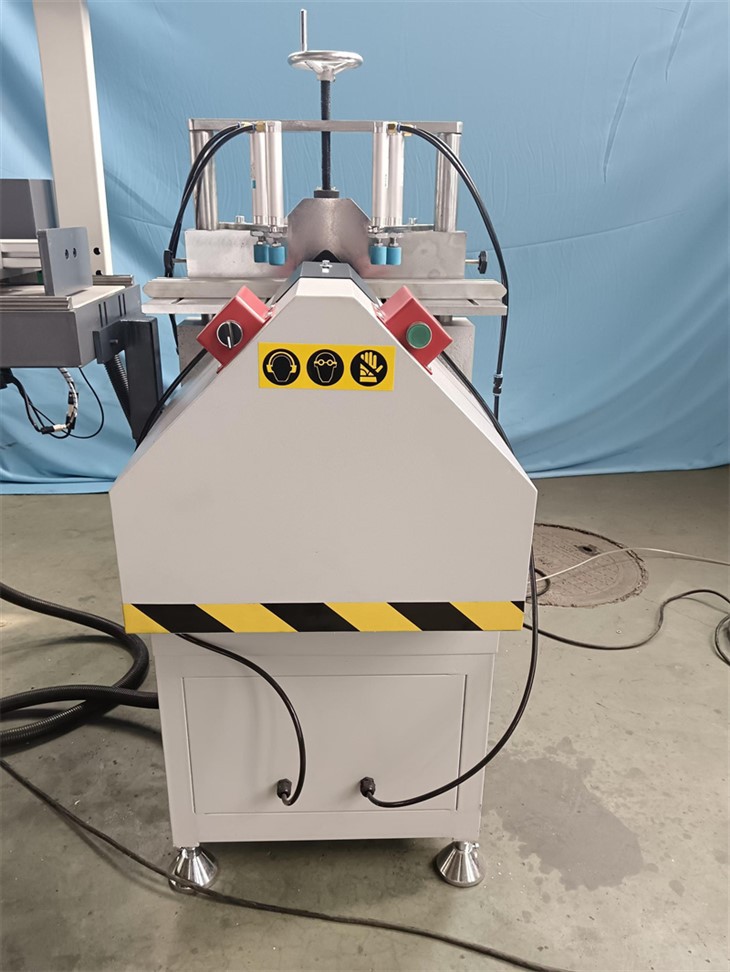
- Machine Operation: Operators should be familiar with the operation of the PVC V Cutting Machine, including how to adjust the cutting parameters, install and remove the blade, and perform basic maintenance tasks.
- Safety Procedures: Operators should be aware of the safety procedures associated with using the PVC V Cutting Machine, such as wearing appropriate personal protective equipment (PPE) and following the manufacturer's instructions.
- Blade Care: Operators should be trained on how to care for the blade, including proper cleaning, inspection, and sharpening techniques.
Conclusion
Preventing the blade from getting dull quickly in a PVC V Cutting Machine requires a combination of proper blade selection, installation, cutting parameter adjustment, regular maintenance, lubrication, cooling, and operator training. By following these strategies, you can significantly extend the lifespan of the blade, improve the cutting quality, and reduce the overall production costs.
As a PVC V Cutting Machine supplier, we are committed to providing our customers with high-quality machines and comprehensive support. If you are interested in learning more about our PVC V Cutting Machines or have any questions about blade maintenance, please feel free to [contact us for procurement and negotiation]. We look forward to serving you.
References
- "PVC Window Manufacturing Handbook" by [Author's Name]
- Manufacturer's manuals for PVC V Cutting Machines
- Industry standards and best practices for blade maintenance in PVC cutting applications