

How to ensure the stability of an insulating glass machine during production?
Hey there! As a supplier of insulating glass machines, I know firsthand how crucial it is to ensure the stability of these machines during production. In this blog post, I'll share some tips and tricks that I've learned over the years to help you keep your insulating glass machine running smoothly.
1. Choose the Right Machine
The first step in ensuring the stability of your insulating glass machine is to choose the right one for your needs. There are many different types of insulating glass machines on the market, each with its own features and capabilities. Some machines are designed for small-scale production, while others are built for large-scale manufacturing.
When choosing a machine, consider factors such as the size and thickness of the glass you'll be working with, the production volume you need to achieve, and the level of automation you require. Look for a machine that is reliable, easy to operate, and has a good reputation in the industry.
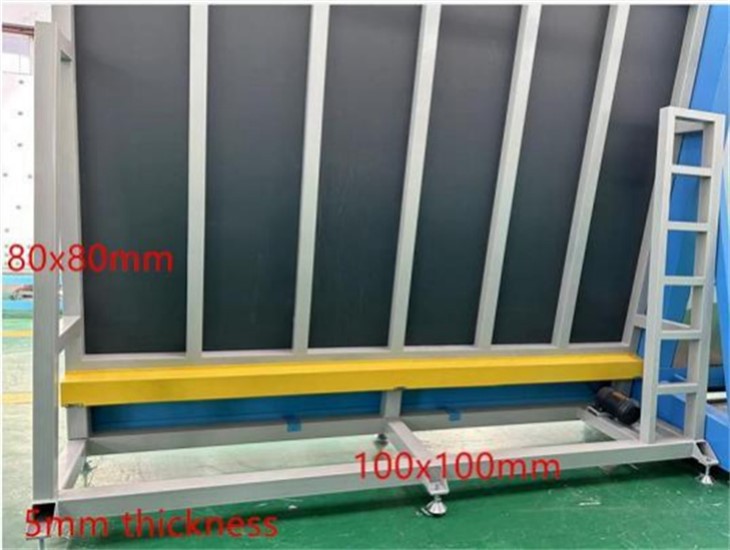
For example, our Insulating Glass Equipment is designed to meet the needs of a wide range of customers. It offers high precision, efficiency, and stability, making it a popular choice for both small and large-scale production.
2. Proper Installation and Setup
Once you've chosen the right machine, it's important to ensure that it is installed and set up correctly. Improper installation can lead to a variety of problems, including vibration, noise, and reduced performance.
Make sure to follow the manufacturer's instructions carefully when installing the machine. This may include leveling the machine, connecting the power supply and water lines, and calibrating the sensors and controls. If you're not confident in your ability to install the machine yourself, consider hiring a professional installer.
In addition to proper installation, it's also important to set up the machine correctly for the specific type of glass you'll be working with. This may involve adjusting the speed, pressure, and temperature settings to ensure optimal performance.
3. Regular Maintenance
Regular maintenance is essential for keeping your insulating glass machine running smoothly and preventing breakdowns. Make sure to follow the manufacturer's recommended maintenance schedule, which may include tasks such as cleaning the machine, lubricating the moving parts, and replacing worn or damaged components.
In addition to regular maintenance, it's also important to perform daily inspections of the machine to check for any signs of wear or damage. This may include checking the belts, chains, and gears for proper tension, inspecting the sensors and controls for accuracy, and looking for any leaks or other issues.
If you notice any problems during your daily inspections, make sure to address them immediately. Ignoring small problems can lead to larger, more expensive issues down the road.
4. Operator Training
Another important factor in ensuring the stability of your insulating glass machine is operator training. Make sure that your operators are properly trained on how to use the machine safely and effectively. This may include training on the machine's controls, maintenance procedures, and safety features.
In addition to initial training, it's also important to provide ongoing training and support to your operators. This can help them stay up-to-date on the latest technology and best practices, and can also help them troubleshoot any problems that may arise.

5. Quality Control
Finally, it's important to implement a quality control system to ensure that the insulating glass produced by your machine meets the required standards. This may include performing regular inspections of the glass to check for any defects, such as scratches, cracks, or air bubbles.
In addition to inspections, it's also important to test the insulating glass to ensure that it meets the required energy efficiency and performance standards. This may involve testing the glass for its U-value, solar heat gain coefficient, and other properties.
By implementing a quality control system, you can ensure that your customers receive high-quality insulating glass that meets their needs and expectations.
Conclusion
Ensuring the stability of an insulating glass machine during production is essential for achieving high-quality results and maximizing productivity. By choosing the right machine, installing and setting it up correctly, performing regular maintenance, providing operator training, and implementing a quality control system, you can keep your machine running smoothly and avoid costly breakdowns.
If you're interested in learning more about our Insulating Glass Equipment, Automatic Insulating Glass Production Line, or Double Glazing Machine, please don't hesitate to contact us. We'd be happy to answer any questions you may have and help you choose the right machine for your needs.
References
- Manufacturer's instructions for insulating glass machines
- Industry best practices for insulating glass production
- Experience and knowledge gained from working as an insulating glass machine supplier